
Annual Report 2024-25
Executive Summary
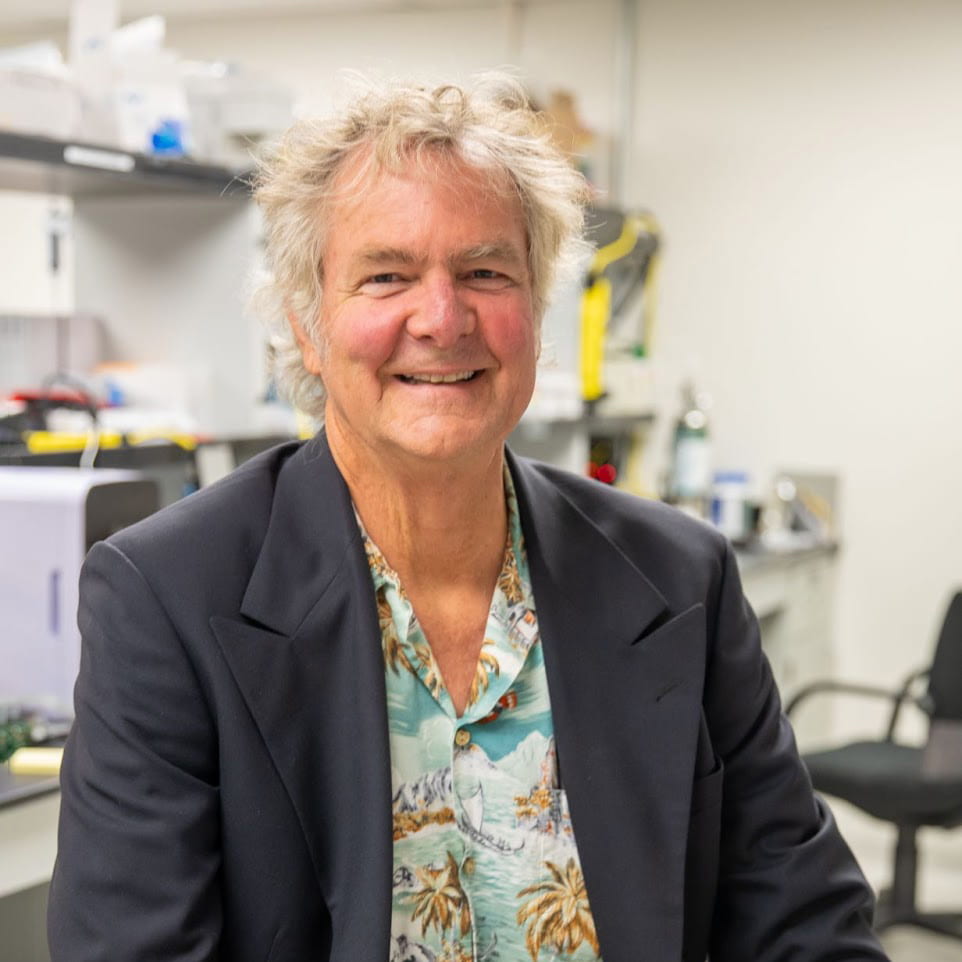
In my long career, I don’t think I’ve ever been more energized than I am right now about the applications of our work for human health, global species conservation, and understanding how our evolutionary history made us the species we are today—capable of reading our own genomes!
– David Haussler
Scientific Director
UCSC Genomics Institute
Quick Numbers
3
Previously undiagnosed patients provided diagnoses
7
Unique mentoring/ training programs to reduce barriers to STEM
62
Affiliate and associate faculty
232
Diverse assemblies added to the human pangenome data
150K
People a month using the UCSC Genome Browser
48.3K
Research citations in 2024
$7.9M
In foundation and gift funding
$19.3M
In federal funding and state contracts

This year, our institute hit several milestones that have demonstrated the real-world benefits of our science for patients and communities… For those of us who participated in the Human Genome Project twenty-five years ago, these applications represent the fulfillment of a promise that we made to the general public that knowing our genetic code would ultimately lead to a revolution in biotechnology and improve both human and planetary health. It is also a reminder of why sustained public investment in science matters.
– Lauren Linton
Executive Director
UCSC Genomics Institute
Top Headlines


Community Outreach
We are committed to educating the next generation of scientists, and making sure that genomic research careers are accessible to everyone. Our training programs and outreach events provide pathways to majors such as bioinformatics and bioengineering, and will develop a more robust pipeline of diverse learners into our undergraduate majors.

Research Mentoring Internship
(Undergraduate)

Bilingual Bioinformatics & Coding Short Course (Community College)

GREAT Summer Research Program (Undergraduate)

Bioinformatics Summer Bridge Program (Undergraduate)

Remote Project-Based Learning With Organoids (High School – Undergraduate)

Treehouse Undergraduate Bioinformatics Immersion
(Undergraduate)

Research Training in Genomics
(Graduate)

UCSC XENA Mentorship (Undergraduate)

Public Science Outreach Events (all)
Priorities for 2025/26
This year is the 25th anniversary of our participation in the Human Genome Project and the launch of our UCSC Genome Browser, and the Genomics Institute is entering an exciting new chapter of genomics. Practical applications, such as clinical diagnostic sequencing, tracking dangerous pathogens in real time, and genetically altering species to resist climate change are becoming mainstream. Our goal as we enter into this new era is to continue our leadership role, and together with our wide network of collaborators, perform transformational projects that will accelerate the implementation of genomics applications for a healthier world. This includes, but is not limited to:
- Scaling up our newly certified clinical diagnostic lab and our pediatric cancer treatment to reach more patients.
- Creating tools to improve the diagnosis of cancer and rare disease, and assess the impact of specific gene variants on cancer risk.
- Completing a new, more diverse human genomic reference sequence for genomic and biomedical research.
- Continuing to work with government agencies to develop platforms that track viruses.
- Creating brain organoids to explore the genetic origins of schizophrenia, autism, epilepsy, and other neurological disorders, while also exploring the ethical ramifications of this work.
- Working with National Parks and conservationists to use eDNA data to document biodiversity and track invasive species.
- Co-leading efforts to create reference genome sequences for all vertebrate species.
- Developing new resources for the growing base of clinical users of our UCSC Genome Browser and other platforms.
- Identifying genetic variations that could help species more quickly adapt to changing climates.
- Harnessing the power of generative AI for the life sciences and clinical research.
- Expanding hands-on educational opportunities for the next generation of scientists.
- Incorporating ELSI principles into everything we do.
Leadership
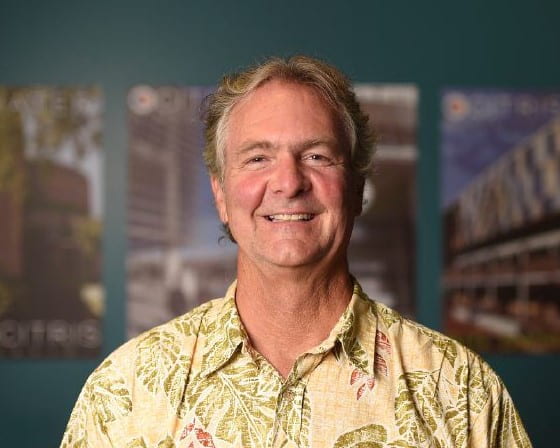
David Haussler
Scientific Director

Lauren Linton
Executive Director
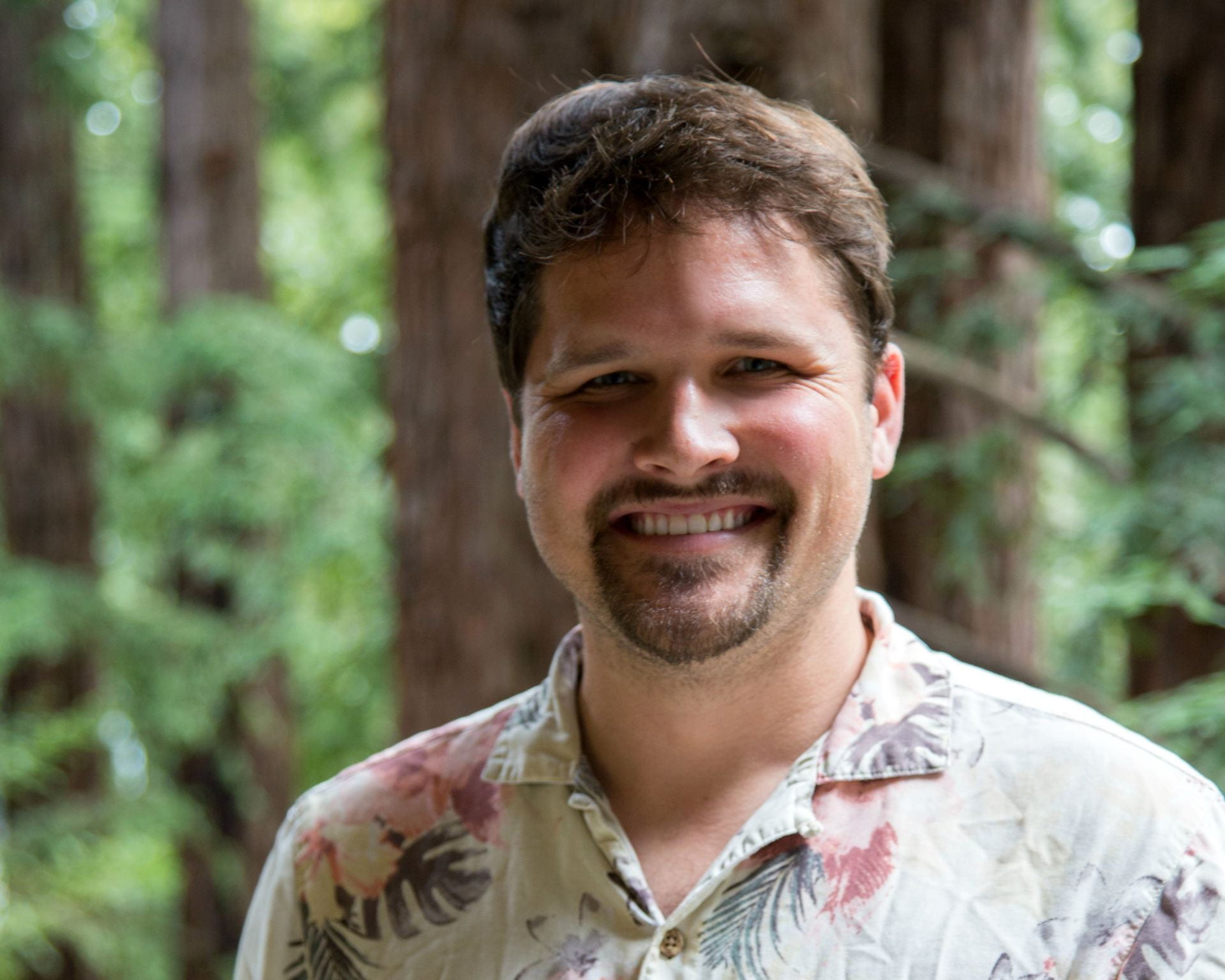
Russ Corbett-Detig
Director for Pathogen Genomics
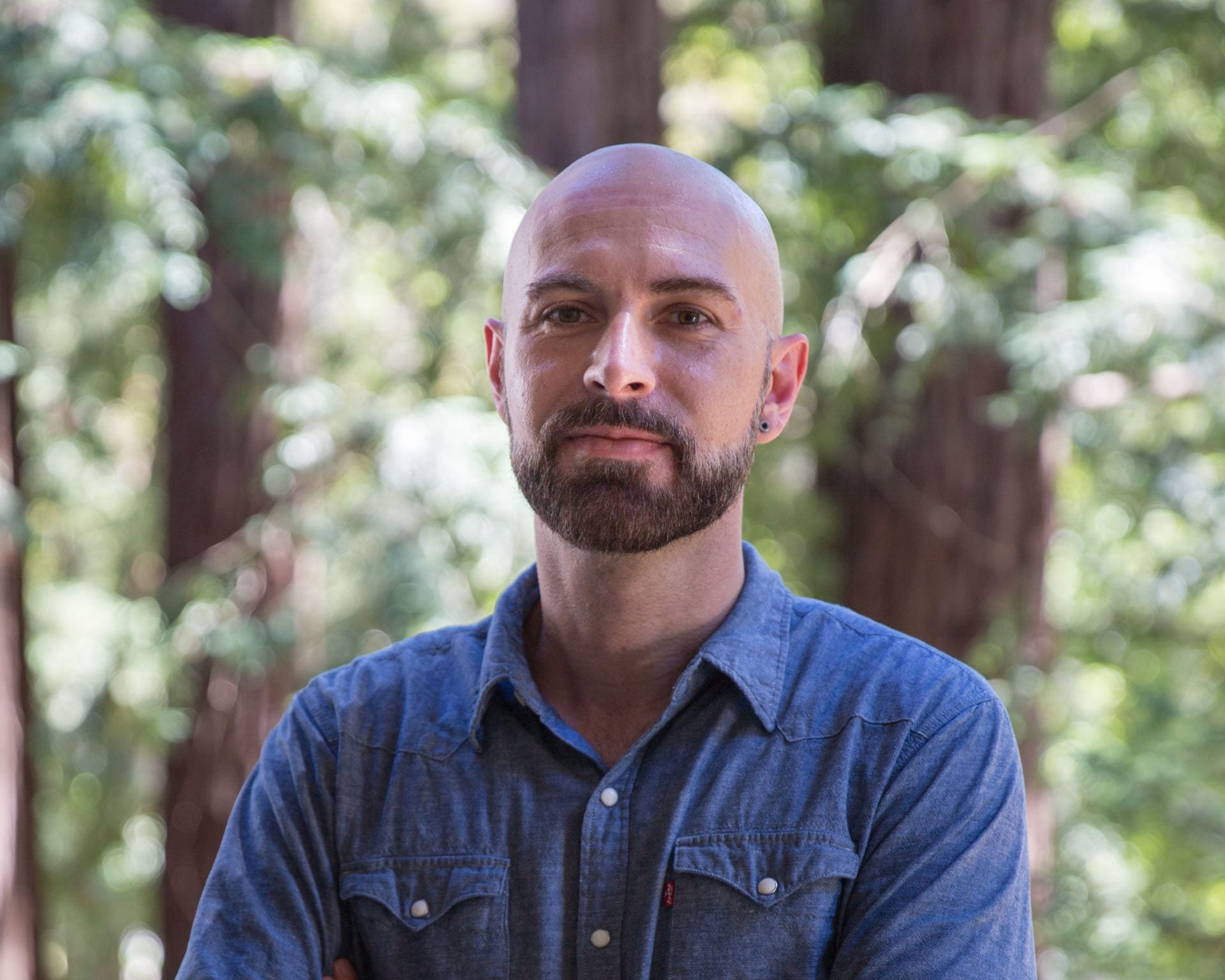
Lars Fehren-Shmitz
Director for Genomics and Society

Lars Fehren-Shmitz
Director for Genomics and Society

Karen Miga
Director for Human Pangenomics
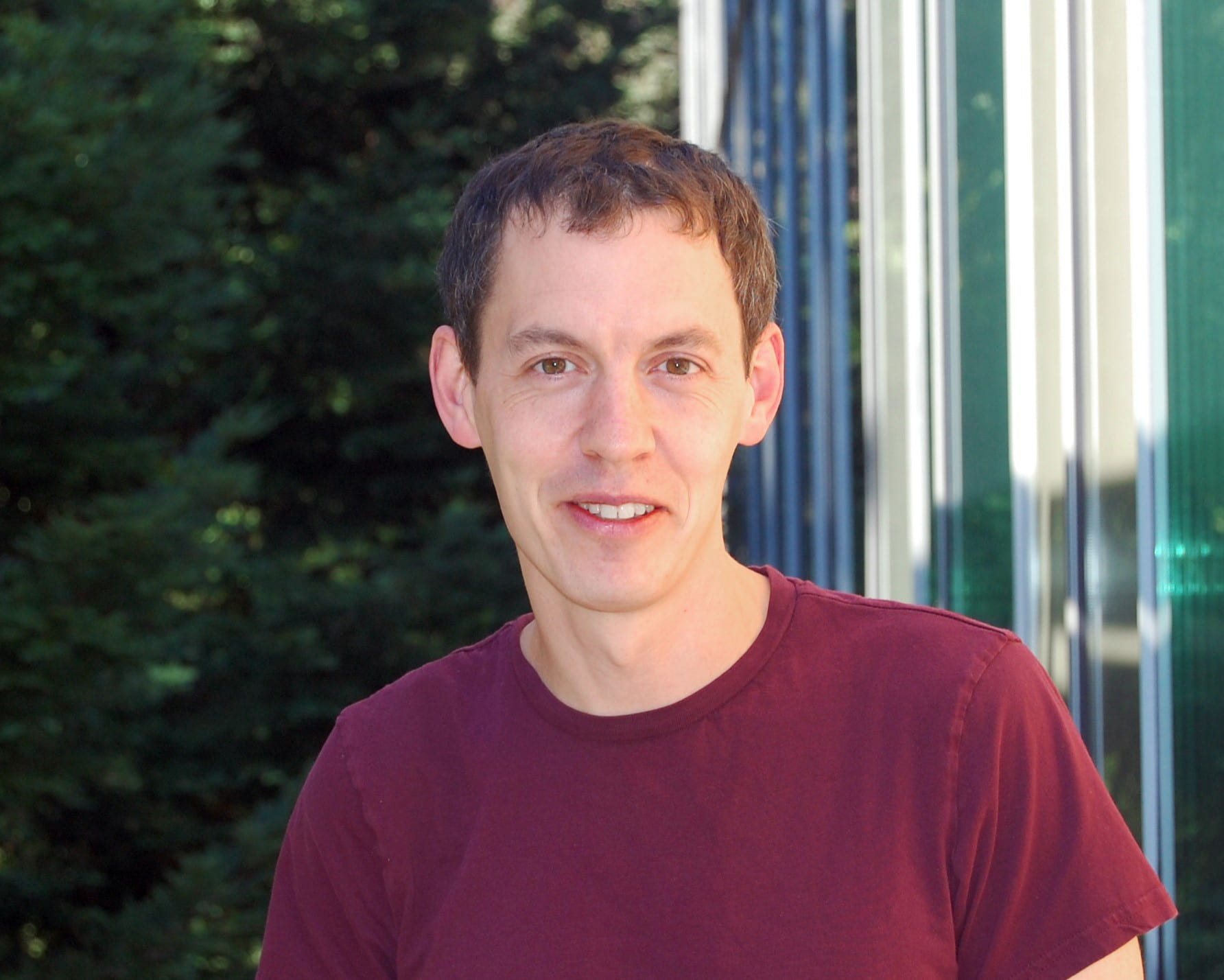
Benedict Paten
Director for Computational Genomics
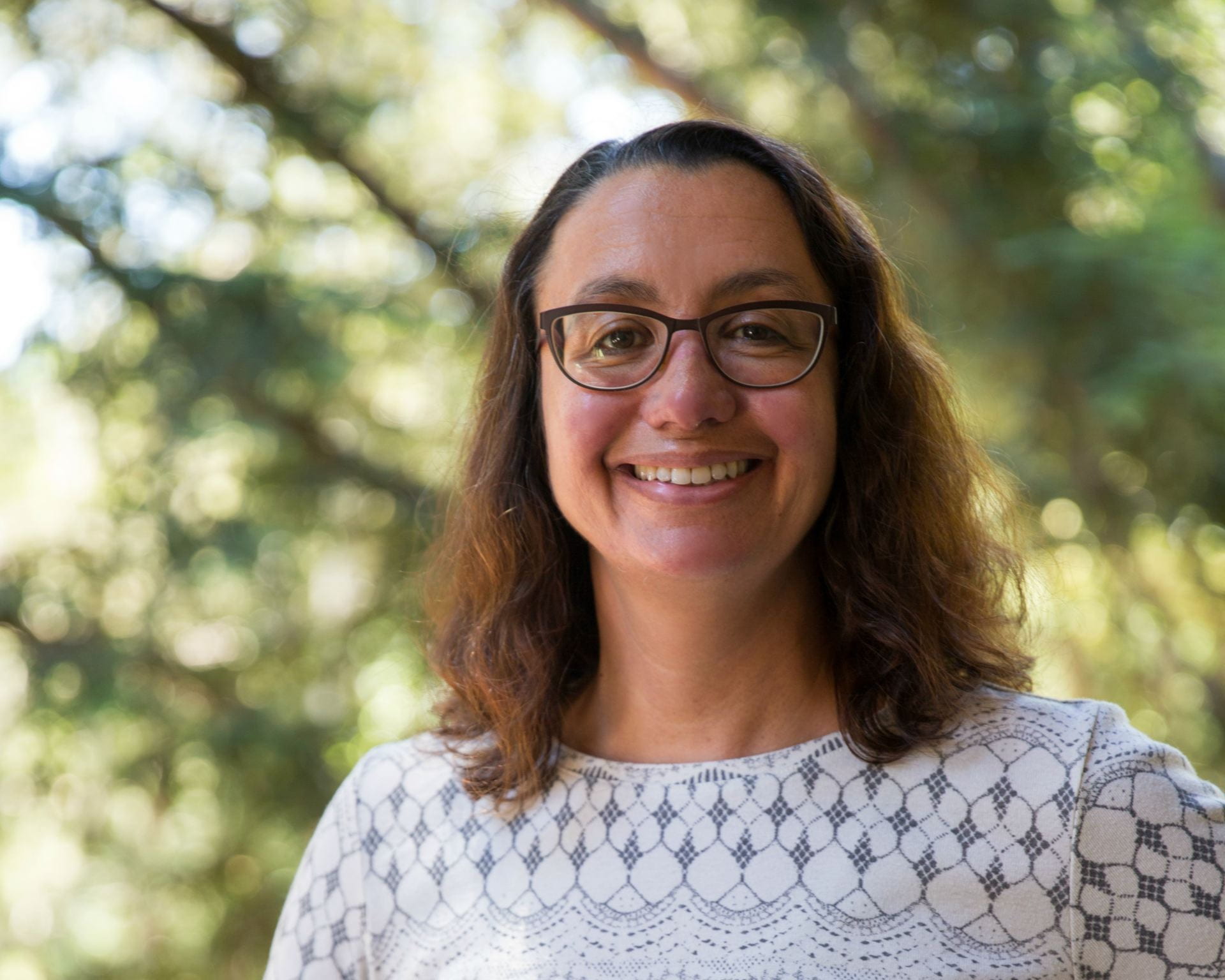
Sofie Salama
Faculty Director for Diversity, Director for Live Cell Technology
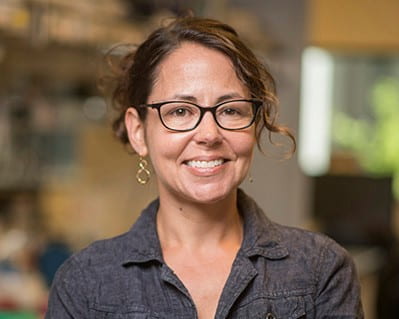
Beth Shapiro
Director for Conservation Genomics

Mircea Teodorescu
Director for Bioelectrical Engineering